Water & Wastewater
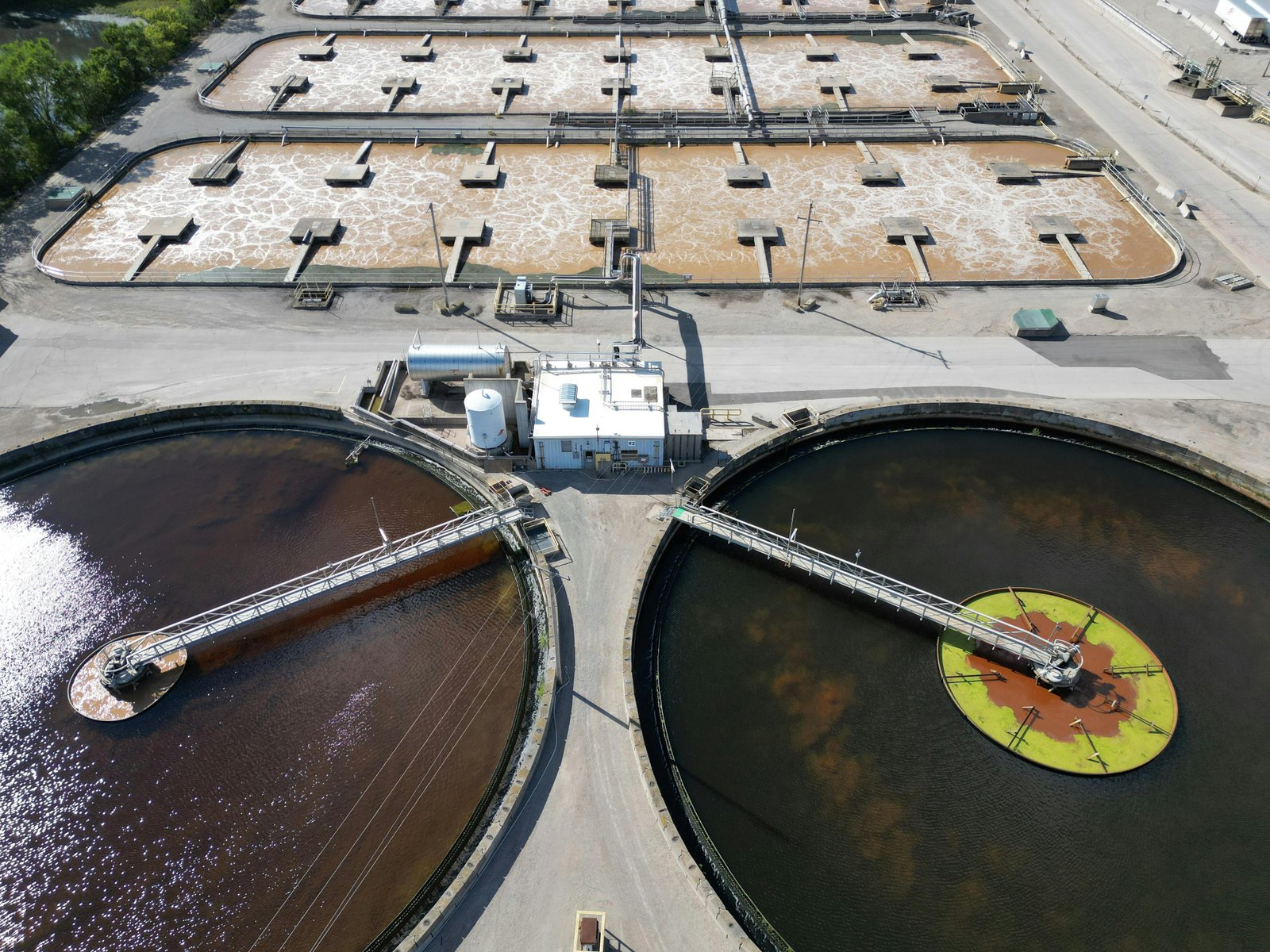
Remote pump station and treatment plant monitoring for public-sector operators. Citizen water quality data and critical infrastructure telemetry stay on the authority's private network, satisfying GDPR obligations for essential service operators.
The Challenge
Water authorities operate dozens or hundreds of geographically distributed pump stations, booster stations, and treatment works. Monitoring all of them in real time, detecting failures early, and responding without a truck roll is the operational goal. The complication: water quality data and infrastructure telemetry relate to public services and can fall under GDPR when linked to supply zones associated with households.
How BunkerM Fits In
BunkerM Enterprise deploys on a server at the operations centre. Opto 22 groov EPIC edge controllers at pump stations publish Sparkplug B metrics: pump speed, pressure, flow rate, motor current, and valve state. BunkerM tracks NBIRTH and NDEATH events for every station, alerting the operations team via Telegram the moment a pump goes offline. Quality-flagged sensors are surfaced immediately without anyone needing to check a SCADA screen.
The AI assistant can answer "Which pump stations on the northern distribution zone are running below target pressure right now?" in seconds. All telemetry remains inside the authority's private WAN.
A Typical Deployment
A municipal water authority deploys BunkerM Enterprise to consolidate telemetry from 40 pump stations. Each station uses Opto 22 groov EPIC controllers publishing Sparkplug B over a private LTE network. The operations team receives Telegram alerts for device offline events and quality flag anomalies. Water pressure and flow data, which could be correlated to household supply patterns, never leaves the authority's private network.
Privacy & Compliance
🔒 Public infrastructure, private data. Water supply telemetry can be correlated to individual households and therefore constitutes personal data under GDPR. BunkerM Enterprise processes all telemetry on-premises with no external transfer. This satisfies NIS2 Directive obligations and removes GDPR transfer risk for essential service operators.