Battery Storage Manufacturing & Management
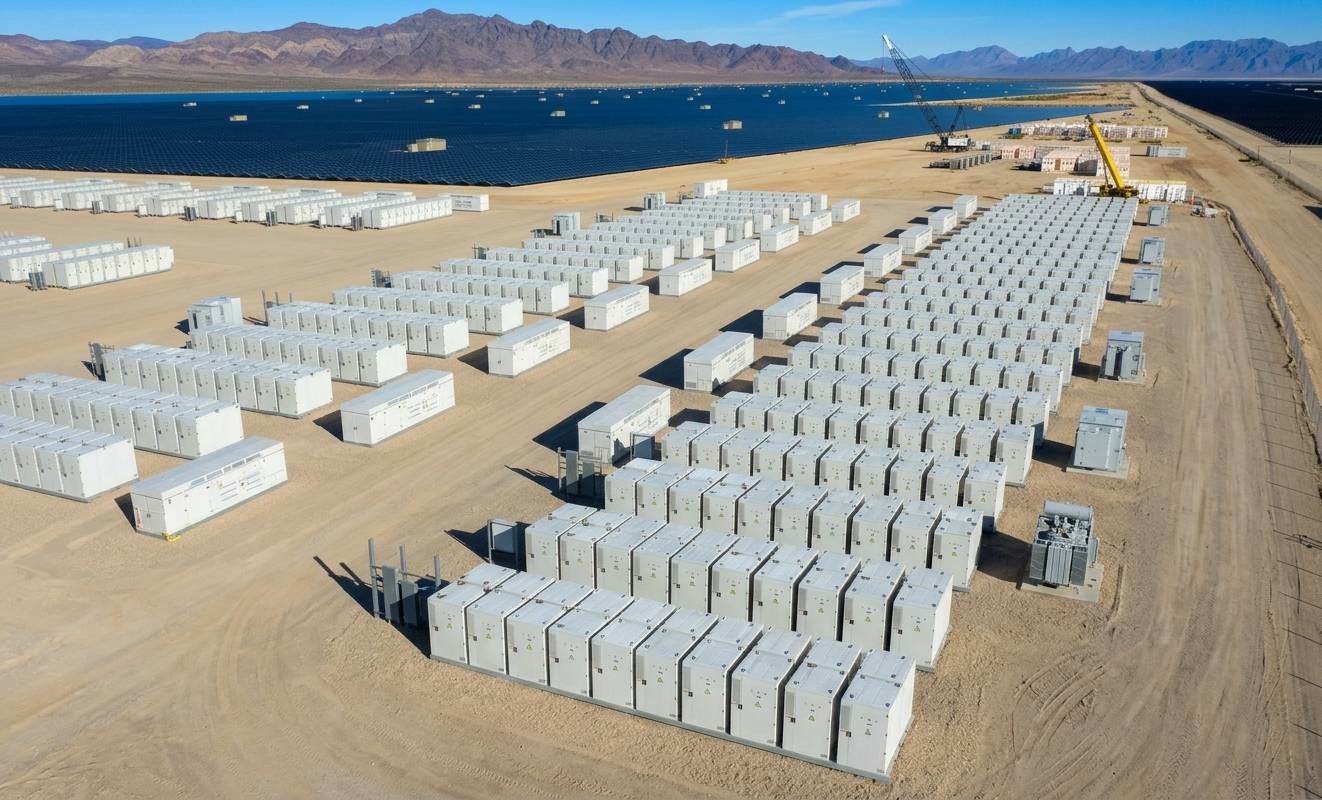
Formation line monitoring, BMS telemetry, and cycle test data management running entirely on your own infrastructure. Proprietary cell chemistry parameters, formation protocols, and capacity test results stay within your facility, protecting the core IP that differentiates your product in a competitive market.
The Challenge
Battery manufacturers operate at the intersection of precision manufacturing and deep electrochemical IP. Formation cycling parameters, electrolyte fill protocols, and cell grading algorithms represent years of R&D investment. Routing BMS telemetry, formation machine data, or cycle test results through a cloud analytics platform means that data crosses a network boundary where it is no longer under your control.
The EU Battery Regulation (2023/1542) adds a traceability requirement: manufacturers of industrial and EV batteries must maintain a battery passport with cell-level data accessible to authorised parties. Keeping that data on-premises, with controlled API access, satisfies the regulation without creating an open data transfer to a third-party processor.
How BunkerM Fits In
BunkerM Enterprise connects to formation cycling equipment, battery test systems, and BMS units via Sparkplug B. Each formation channel, thermal probe, and cell-level voltage measurement is registered as a named metric with its engineering unit. The process engineer queries the AI: "Which cells on Line 2 failed the C/10 capacity check in the last shift?" or "Show me the temperature delta across the module stack on Pack ID 4417." The AI pulls from the local metric registry and message history. Formation protocols and grading thresholds never leave the plant.
For R&D environments working on next-generation chemistry, the fully air-gapped deployment option uses a local LLM via LM Studio. No formation data, no test result, and no cycle signature ever transits an external network under any circumstances.
A Typical Deployment
A commercial and industrial battery storage manufacturer produces rack-mounted BESS units for grid stabilisation customers. Siemens S7-1500 PLCs drive formation cycling equipment on three lines. Cell test systems publish Modbus TCP data via a MQTT bridge. Each finished module's BMS publishes cell voltage, temperature, and SOC over MQTT. BunkerM Enterprise runs on a server in the production IT room. The quality team queries formation yield and grading distribution by AI chat. Proprietary formation recipes and cycle test signatures, which represent the company's competitive differentiation, are stored only on the local BunkerM instance.
Privacy & Compliance
🔒 Formation IP and battery passport data on-premises. Formation protocols, grading algorithms, and cell-level cycle data are proprietary. BunkerM Enterprise processes and stores all telemetry locally. EU Battery Regulation traceability data is maintained on your own infrastructure with no third-party processor touching it. Air-gapped deployment is supported for R&D facilities where connectivity to any external network is prohibited.