Precision Agriculture
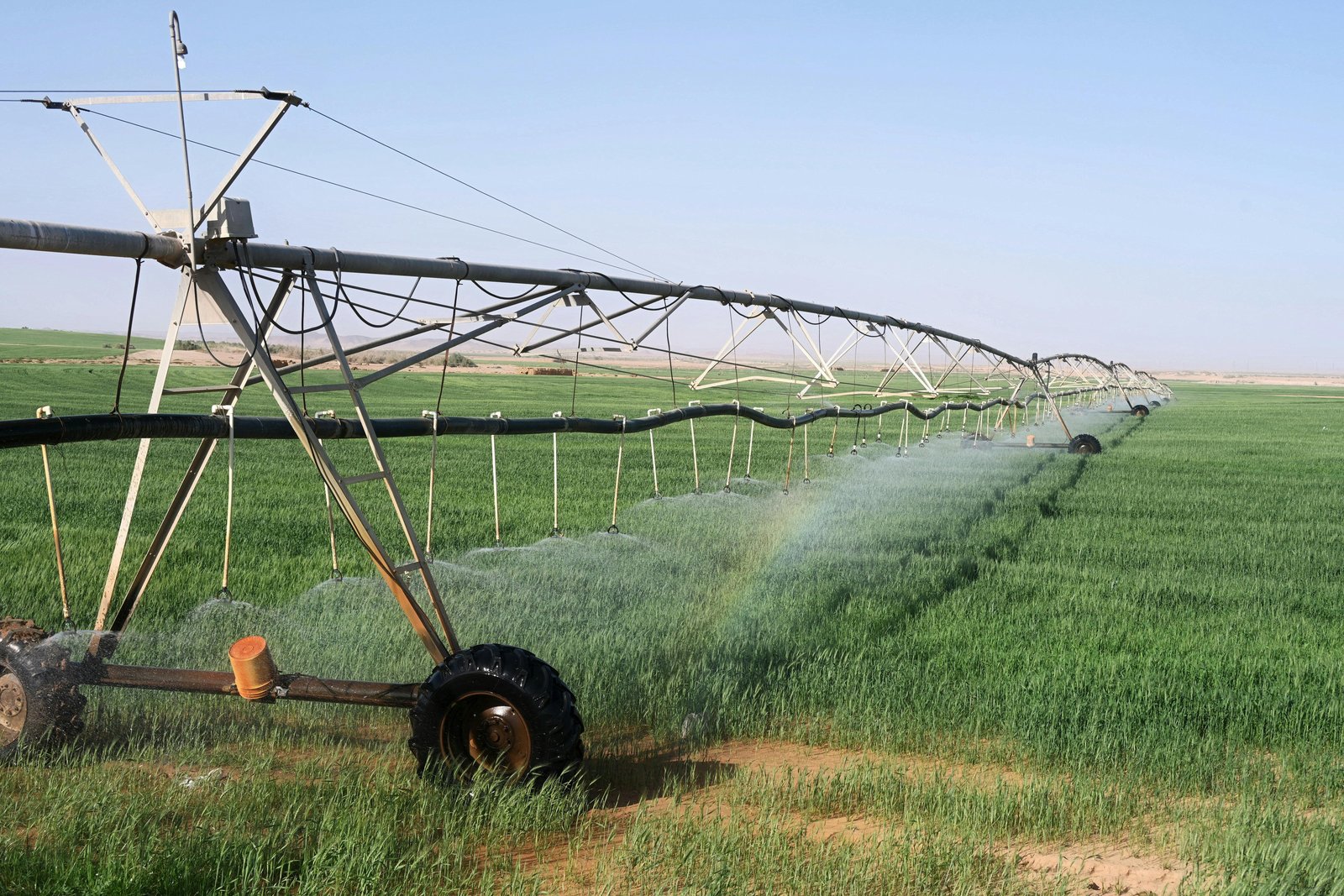
Irrigation control and crop monitoring on your cooperative's own server. Soil profiles, yield projections, and field-level data stay within your private infrastructure, meeting GDPR requirements for agricultural data linked to landowners and farm operators.
The Challenge
Precision agriculture generates large volumes of data: soil moisture at multiple depths per field, pivot controller positions, pump flow rates, and weather station readings. GDPR considers agricultural data personal data when it can be linked to a natural person — a farmer or landowner. Cooperatives and agritech operators that route this data through cloud platforms create a data transfer obligation that many members are reluctant to accept.
How BunkerM Fits In
BunkerM Enterprise connects to LoRaWAN gateways, Wago PFC200 controllers, and Siemens LOGO! units that aggregate field sensor data, publishing it as Sparkplug B metrics over a local MQTT broker. The irrigation manager queries the AI: "Which zones have soil moisture below 35% right now?" or "How many pivot controllers ran their full cycle overnight?" Setpoints and irrigation schedules can be pushed as DCMD commands from a phone.
A Typical Deployment
An irrigation cooperative manages 3,000 ha across 40 farm blocks. Soil moisture sensors, pivot controllers, and pump stations publish to a local MQTT broker via LoRaWAN gateways. BunkerM Enterprise runs on a server at the cooperative's operations office. The irrigation planner queries soil and pump data by AI chat. Crop production data, yield projections, and soil profiles — commercially sensitive for farm financing and insurance purposes — stay on the cooperative's own server.
Privacy & Compliance
🔒 Farm data stays with the cooperative. Soil profiles, yield data, and field-level telemetry linked to individual farm operators is personal data under GDPR. BunkerM Enterprise processes and stores all of it locally, with no external service touching member data. This satisfies GDPR data minimisation and storage limitation principles without requiring complex data processing agreements.